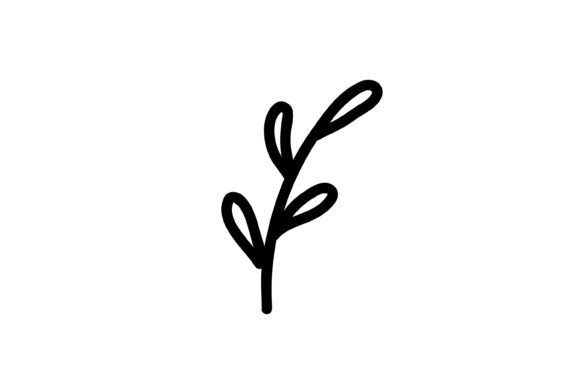
Twig Graphics Freebies: A Designer’s Review for Client Projects
When I am handed a brief for a new client, my first instinct is always to assess the visual language. Is it rustic? Modern? Corporate? Playful? Recently, I came across a design asset named Twig, categorized under Freebies and Graphics. As a professional designer who frequently works with small businesses, handmade brands, and boutique product lines, I needed to determine if this asset was merely decorative or if it held enough structural integrity to support a real-world commercial project. After testing it in various contexts—from social media graphics to packaging mockups—here is my practical review of how Twig performs as a graphic design asset.
First Impressions: The Mood and Style of Twig
The name "Twig" immediately suggests an organic, natural aesthetic. Upon opening the file, the visual mood is unmistakably earthy and grounded. It does not scream for attention like a neon display font might; instead, it whispers with quiet confidence. This makes it ideal for projects that require visual trust and emotional appeal rather than aggressive marketing tactics.
In terms of style, Twig fits comfortably into the realm of modern design with a nod to traditional craftsmanship. It feels appropriate for handmade business branding, artisanal food labels, or eco-friendly product launches. The design elements feel cohesive, suggesting that the creator understood the importance of brand identity consistency. For designers looking to create a serene, approachable brand atmosphere, Twig provides a strong foundational element.
Real-World Application: From Concept to Commercial Design
To truly judge a design asset, you must see it in action. I applied Twig to several hypothetical client scenarios to test its versatility.
- Packaging Design: For a local honey producer or a botanical skincare line, Twig serves as an excellent primary graphic. Its organic shape complements natural materials like kraft paper or recycled cardboard. It enhances the product mockup by adding a layer of authenticity that consumers associate with quality and care.
- Social Media Graphics: In the digital space, where scroll speed is fast, Twig stands out without being jarring. It works beautifully as a header element for Instagram posts or Pinterest pins. When paired with soft, muted colors, it creates a cohesive feed aesthetic that encourages audience engagement.
- Print-on-Demand and Merchandise: For sellers on Etsy or Amazon Merch, Twig is a versatile choice. Whether used for t-shirt design, tote bags, or mugs, the vector nature of the file allows for clean scaling. It translates well to sublimation design processes, maintaining its clarity even when printed on textured fabrics.
- Crafting and DIY Projects: For those using Cricut or Silhouette machines, Twig is a standout. The cut lines are precise, making it perfect for sticker design, vinyl decals for laptops, or decorative accents on wedding invitations. It bridges the gap between digital creative design and physical craft.
Technical Specifications and File Formats
One of the most critical aspects of any digital product is what you actually receive. The download includes a zip file containing a folder with formats SVG, EPS, and PNG. This variety is essential for professional workflow flexibility.
The inclusion of an SVG design file means you can edit the paths in Adobe Illustrator or Affinity Designer. This is crucial for adjusting colors to match a client’s specific brand palette or for resizing elements within a larger composition. The EPS format offers another layer of compatibility for print-ready workflows, ensuring high-fidelity output for large-format prints.
For quick edits in tools like Canva or Photoshop, the PNG file is provided at 3000 x 2000 pixels and 300 dpi. This resolution is more than sufficient for high-quality printable design needs, including wall art, flyers, and brochures. The transparency of the PNG ensures that the asset blends seamlessly onto any background without unwanted white boxes.
Where Twig Shines and Where to Exercise Caution
Understanding the strengths and limitations of a graphic design asset is key to effective visual hierarchy.
Best Use Cases:
- Large Layout Areas: Twig looks stunning as a hero graphic on a website landing page or the back cover of a book. Its detail holds up well at scale.
- Decorative Accents: Use it to frame text or separate sections in editorial design. It adds a touch of elegance without overwhelming the content.
- Themed Collections: If you are building a seasonal campaign around nature, spring, or wellness, Twig acts as a unifying visual thread.
Areas for Careful Consideration:
- Small Sizes: Like many intricate illustrations, Twig may lose definition when scaled down too small. Avoid using it as a tiny favicon or in dense data tables.
- Crowded Layouts: Because Twig has visual weight, placing it next to other complex elements can create chaos. Ensure there is ample whitespace around it to let it breathe.
- Minimalist Branding: If your client’s brand relies on stark minimalism and geometric shapes, Twig’s organic curves might feel out of place. It pairs better with warm, textured, or hand-drawn styles.
- Low-Contrast Backgrounds: Always check contrast. On light beige or pastel backgrounds, ensure the asset remains legible and distinct.
Practical Designer Notes for Implementation
Before integrating Twig into a final deliverable, I recommend running through this checklist to ensure professionalism and compliance.
- Test in Black and White: Convert the asset to grayscale to check its structural integrity. Does it still read clearly? This helps evaluate its performance in monochrome printing.
- Check Contrast: Preview the asset on both light and dark backgrounds. Adjust opacity or add a subtle shadow if necessary to maintain visibility.
- Review Editability: Open the SVG in a vector editor to inspect the nodes. Clean code makes future modifications much easier.
- Compare Typography: Pair Twig with complementary fonts. A clean sans-serif font can balance its organic feel, while a script font might compete for attention. Avoid pairing it with overly ornate serif fonts unless the goal is maximalism.
- Confirm Licensing: Even though this is listed under Freebies, always verify the commercial license. Ensure you are permitted to use the asset for client work, resale items, or marketing visuals. Some free assets are restricted to personal use only.
Final Verdict
Twig is more than just a pretty picture; it is a functional design bundle component that can elevate a project from amateur to polished. Its versatility across web design, packaging design, and physical crafts makes it a valuable addition to any designer’s toolkit. For small business owners and creatives looking to establish a warm, authentic brand voice, Twig delivers on its promise of enhancing visual appeal.
If you are preparing a project that requires a touch of nature-inspired elegance, Twig is a safe and stylish choice. Just remember to respect its visual weight and test it thoroughly in your specific context. By doing so, you will leverage its full potential as a high-quality commercial design asset.