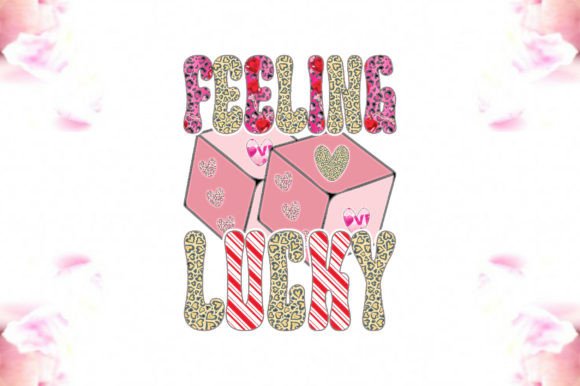
Feeling Lucky Sublimation Review
As a designer who spends more time than I care to admit staring at stitch counts and fabric swatches, I have learned that the difference between a good handmade product and a great one often comes down to the design itself. It is not just about the machine running; it is about whether the visual concept holds up under scrutiny. When I first pulled up Feeling Lucky Sublimation, I did not immediately think of high-end couture or delicate heirloom pieces. Instead, I thought about casual wear, impulse buys at craft fairs, and those personalized gifts that make people smile when they open them.
This piece falls squarely into the Crafts and Graphics categories, but in the world of embroidery, those terms are just starting points. What matters is how the graphic translates into thread. The file provided is a 300dpi High Resolution Transparent Background PNG. While this is technically a digital asset, for an embroiderer, it serves as the blueprint for the final embroidery project. The transparency is crucial because it allows you to visualize the placement on any background without white boxes interfering with your mental mockup. However, since it is a raster image rather than a native vector or digitized .dst/.pes file, my review focuses on its potential as a visual reference for applique, sublimation transfer, or as a guide for manual stitching.
First Impressions and Visual Personality
The title "Feeling Lucky" suggests a theme of chance, positivity, and perhaps a touch of whimsy. Visually, the design carries a mood that is accessible and friendly. It does not scream exclusivity; rather, it whispers approachability. For a small business owner or an Etsy seller, this is a valuable trait. You want designs that customers can instantly connect with. The layout appears balanced, which is essential when considering how it will sit on a garment or accessory.
When I look at the detail level, I am thinking about execution. Does the design rely on tiny, intricate lines that might get lost in thick yarn? Or does it use bold shapes that translate well to satin stitch or fill stitch? In many cases, graphic-based designs like this work best when simplified. If the original PNG has complex gradients or thin lines, a designer needs to decide if those details will survive the digitization process. For a custom apparel item, simplicity often wins. A bold, clear graphic ensures that even from across a room, the message is readable.
Real-World Application: The Tote Bag Scenario
To truly evaluate Feeling Lucky Sublimation, let us place it in a real-world scenario. Imagine you are preparing inventory for an upcoming holiday market or updating your online shop for a seasonal sale. You choose a sturdy canvas tote bag. This is a classic handmade product that appeals to a wide demographic.
If you were to use this design on a tote, the transparent background of the PNG makes it easy to preview placement. You might center it on the front panel or offset it slightly for a more modern, asymmetrical look. The theme fits perfectly with everyday carry items. People love accessories that reflect their personality or current mood. "Feeling Lucky" is a positive affirmation that pairs well with coffee runs, grocery shopping, or beach days. As an embroidered patch or direct-to-garment print, it adds a layer of professionalism compared to a cheap iron-on sticker.
Consider also a sweatshirt. A cozy, oversized sweatshirt with this design centered on the chest or placed on the back can become a statement piece. The casual nature of the phrase matches the relaxed vibe of knit fabrics. However, you must consider the fabric texture. On a heathered gray or soft fleece, the design needs enough contrast to pop. If the threads you plan to use are too close in color to the fabric, the graphic will disappear. This is where testing becomes non-negotiable.
Technical Considerations for Embroidery Designers
While the source file is a high-resolution PNG, converting this graphic into a functional machine embroidery design requires careful planning. Here are practical notes for designers evaluating this asset:
- Stitch Density and Clarity: If you are digitizing this yourself, pay attention to the stitch density. Graphic designs often require dense fills to cover the fabric completely. Ensure that your digitizing software allows you to adjust the spacing so the fabric does not show through the fill stitch.
- Hoop Size Constraints: Check the dimensions of the graphic against your standard hoop size. If the design is large, you may need a multi-hooping strategy. For smaller projects like baby clothes or caps, you might need to scale it down significantly. Remember that scaling down a complex graphic can result in muddy details.
- Thread Colors: The transparent PNG gives you freedom to choose your own thread colors. Experiment with contrasting palettes. For example, bright yellow thread on navy blue denim creates a vibrant, eye-catching look. Neutral tones on light fabrics offer a subtle, elegant aesthetic.
- Stabilizer Selection: The choice of stabilizer is critical, especially if you are working with stretchy fabrics like jersey knits for t-shirts or hoodies. A cut-away stabilizer provides long-term support, ensuring the embroidery file does not pucker after washing.
Where to Use Caution
No design is perfect for every surface. There are specific situations where Feeling Lucky Sublimation might struggle:
- Small Hoop Sizes: Avoid placing this on very small items like wristbands or tiny patches unless the design is simplified. Tiny details will be lost.
- Textured Fabrics: Heavy wools or looped towels can obscure fine lines. On such surfaces, stick to bold outlines and minimal internal detail.
- Curved Surfaces: Applying this to caps or sleeves requires careful tension adjustment. The curve can distort the aspect ratio of the graphic if not stabilized properly.
- Dense Stitch Areas: If the design includes heavy fill areas, ensure the base fabric is strong enough to support the weight of the thread. Thin fabrics may tear over time.
Impact on Product Value and Branding
For commercial embroidery and craft business owners, the perceived value of a product is heavily influenced by the quality of the design. A well-executed embroidery project signals care and attention to detail. When a customer sees a clean, professional-looking graphic like Feeling Lucky Sublimation, they are more likely to trust the brand. It elevates the item from a generic commodity to a curated piece.
Furthermore, this design lends itself well to gifting. Whether it is a personalized gift for a friend who loves luck-themed decor, or a boutique item for a wedding favor, the positive message resonates. It works beautifully for holiday embroidery collections, adding a festive yet casual touch to stockings or wrapping accents.
Final Verdict
Feeling Lucky Sublimation is a versatile graphic asset that offers significant potential for creative entrepreneurs. Its strength lies in its approachable theme and high-resolution clarity, which makes it easy to visualize in various contexts. However, success depends entirely on the execution. Test thoroughly on scrap fabric. Compare light and dark backgrounds. Inspect small details under magnification. Confirm licensing before selling finished items or digital products.
By treating this PNG not just as an image but as a foundation for thoughtful design decisions, you can create small shop products that stand out. Whether you are making tote bag designs, sweatshirt embroidery, or baby embroidery keepsakes, this design provides a solid starting point for building a cohesive and appealing collection. Just remember to check the specifics of digitization and always prioritize the integrity of the stitch work for a lasting finished product.